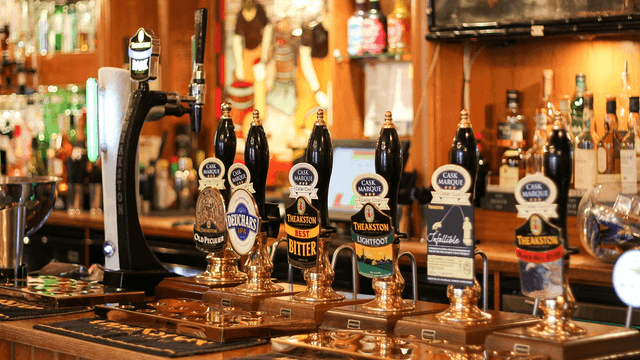
Best Pubs to Visit in London
From the riverside Dove to the Michelin-starred Harwood Arms, here are the best pubs to visit in London, chosen by the local guides who know them best.
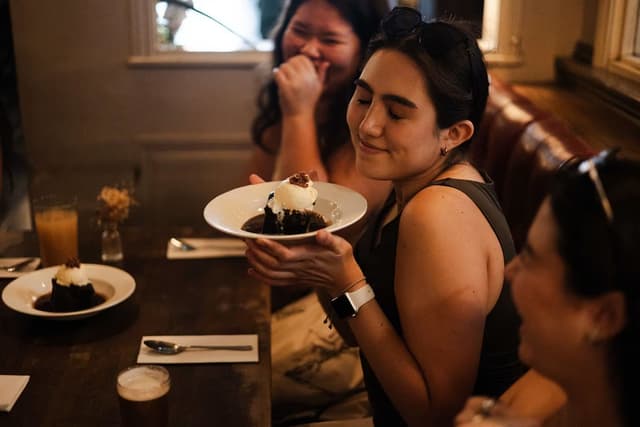

For many people, the word pub is synonymous with the UK. And that’s for a very good reason, because taverns and pubs have been active here for centuries on end.
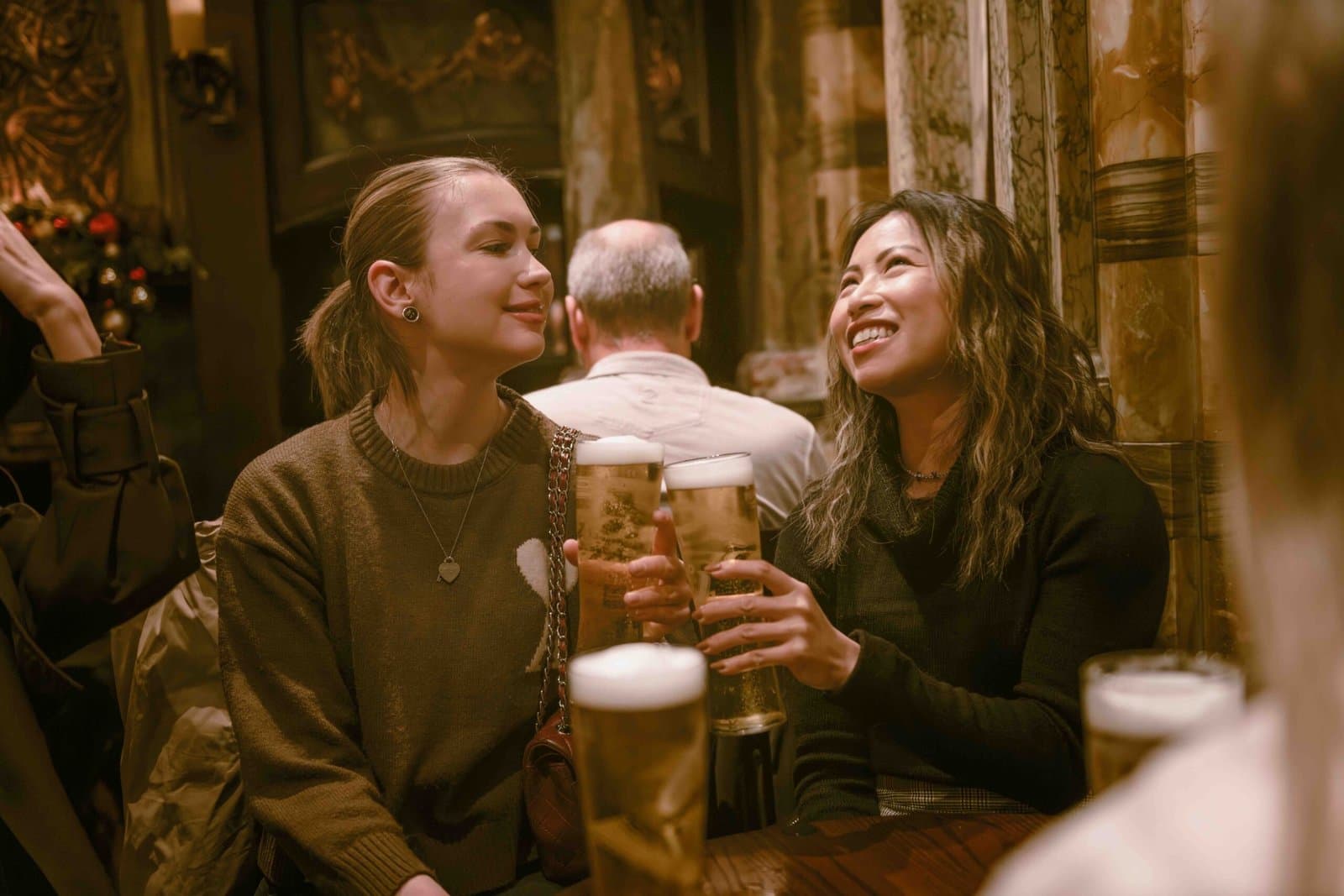
For most people, the word ‘pub’ means Britain, and with good reason: taverns have been part of English life for centuries. Before there was much else to do of an evening, there was the alehouse — somewhere warm, sociable and reliably stocked. The pub is the oldest social network in the country, and it is still going.
The story starts with the Romans, who invaded in 43 AD. They built the roads and opened tabernae — shops selling wine to soldiers, travellers and workers. The locals preferred their own ale; the Romans brought the wine. When the Romans left in the 5th century, the taverns became alehouses. By the 10th century they were everywhere, marked by an ale stake outside the door so you knew where you were.
Not everyone approved. In the 10th century, King Edgar limited alehouses to one per village and introduced pegged tankards, so everyone could see how much you had drunk. Even so, ale was not just a pleasure: it was a dietary staple, and a good deal safer than the water.
The Norman Conquest changed the trade. Towns grew, monasteries took in pilgrims, and inns appeared to offer lodging and stabling. Taverns multiplied in the towns as well, selling wine to the better-off.
By now there were three kinds of place. Alehouses: basic, no lodging. Taverns: wine-focused, for the middle classes. Inns: larger, with rooms, for travellers. From the 14th century, inns also hosted markets and fairs, and the towns grew around them.
Regulation followed, as it always does. A law of 1357 required inns to put up signs so travellers could find them, and a law of 1393 made them provide accommodation.
The pub culture we know today took shape in the Tudor years. Henry VIII dissolved the monasteries and closed their hospitality, so the private inn stepped up. Brewers also began importing hops from the Netherlands, which changed the taste of beer for good.
Edward VI formalised licensing in 1552, with magistrates approving every licence. By 1577 there was an inn, tavern or alehouse for every 200 people in the cities. Pubs had also become the centre of the news — where politics was argued, entertainment was put on, and sometimes literature was made.
Then came the coaching era. Stagecoaches meant better roads, and the inns did a roaring trade. Pubs divided by class: the saloon bar for the middle classes, the public bar for everyone else. Signage grew grander too, as pubs competed to pull in the passing trade.
The Industrial Revolution created a huge demand for somewhere to unwind. The Beerhouse Act of 1830 made licensing cheap and easy, and around 46,000 beerhouses opened within a few years.
Breweries boomed, and the pubs they built were magnificent — mirrors, tiled walls, etched glass, the lot. Restrictions came too: in 1908 children were banned from pubs, because rather too many of them were drinking. By the late 1800s there was one pub for every 300 people.
Two world wars reshaped the pub. In the First, opening hours were restricted, and they stayed restricted for most of the century. In the Second, the pub was where morale was kept up. After it, the competition arrived: the car, the television, the drinks cabinet at home. Bit by bit, the pub lost its monopoly on the evening.
Then came the revival. CAMRA was founded in the 1970s and brought back real ale. Pub companies took over in the 1980s. And in 2007 the smoking ban arrived, while supermarket beer got cheaper and better suited to home drinking.
Today there are around 39,000 pubs left in the UK, and thousands have closed over the past few decades. The demand is still there, and the culture is still strong — but the margins are brutal. To stay open, a pub has to adapt, and it cannot simply keep raising the cost of a pint.
Some pubs have simply outlasted everything. Ye Olde Cheshire Cheese has been serving since the 1500s, and Dickens drank there. The Eagle in Cambridge is where Crick and Watson announced the discovery of DNA, and it is still going strong.
The Spaniards Inn in Hampstead dates from 1585. The Prospect of Whitby, on the river, claims 1520, and its riverside position made it a favourite with pirates and smugglers.
Pubs have been part of British life for the best part of two thousand years, give or take a few centuries of regulation. Some have closed, more will follow. But the ones that survive do so because people still want what they offer: a room, a drink, and someone to talk to. That is a hard business model to kill.
History is best experienced in person, pint in hand. Our guided London pub tour takes you through centuries of taverns, tales and ale with a local guide who knows every corner. Prefer it with food? Try the Pub Food Tour.
From the riverside Dove to the Michelin-starred Harwood Arms, here are the best pubs to visit in London, chosen by the local guides who know them best.
London is home to some of the oldest pubs in the world. A local guide’s pick of the most historic pubs in London, and the stories that make them worth a visit.
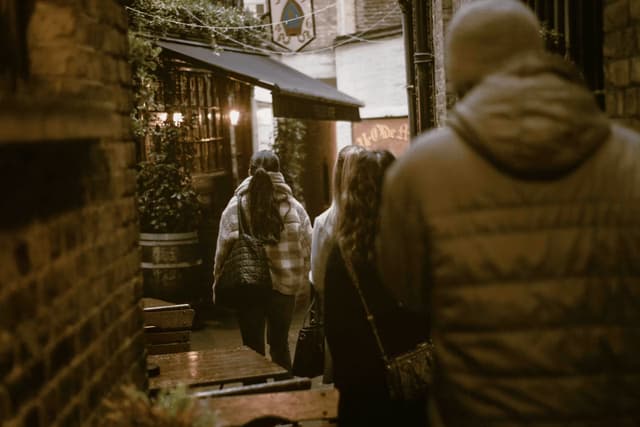
If you go to the UK as a tourist, it’s a good idea to try out some of the local beers. As we know, the pint is not just a drink in the UK.
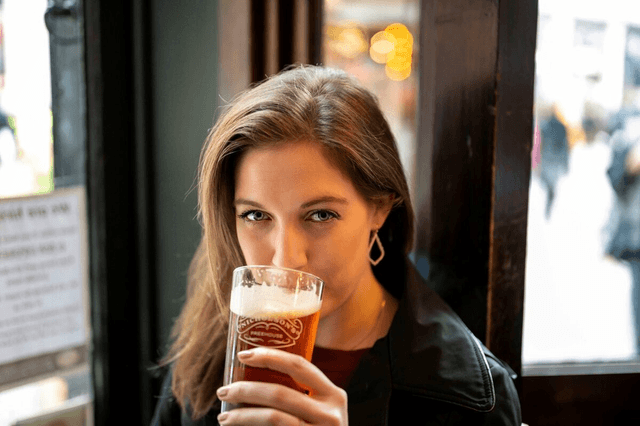
Soho is seen as the beating heart of the West End in London. It’s a place where you can find theaters, historic pubs and just a vibrant nightlife, overall. It’s a very good idea to check it out, and you can enjoy some amazing pubs in here as well.